English
 Chinese

Home >Products >Geotextile >Woven Geotextile > PP Woven Silt Fence Fabric
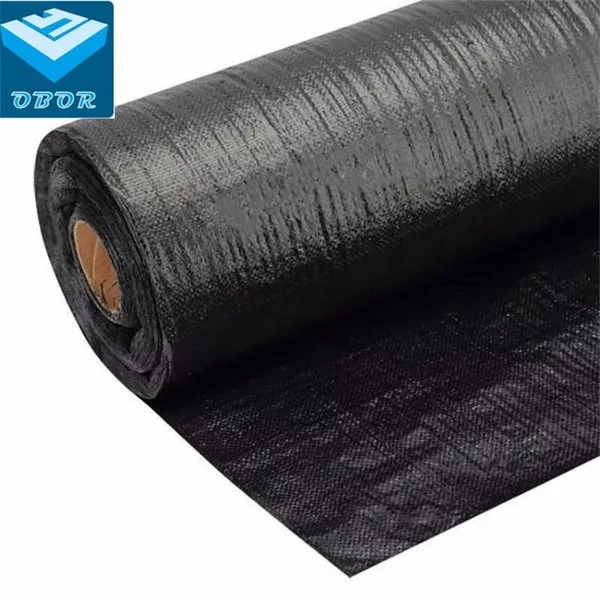
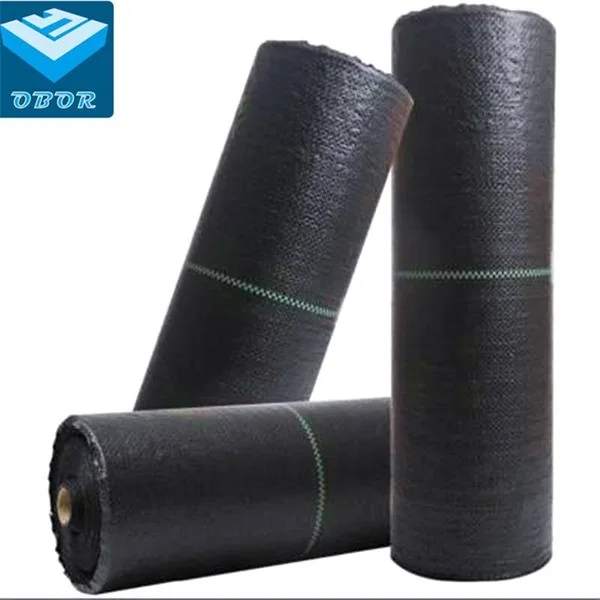
PP Woven Silt Fence Fabric
- Product Item: obor-PP woven silt fence
- Category: Woven Geotextile
- Good Quality PP Woven Silt Fence Fabric Price,Leading Silt Fence Fabric Manufacturer&Exporter,black mud barrier cloth for erosion control and drainage
Description
PP Woven Silt Fence Fabric
What It Is
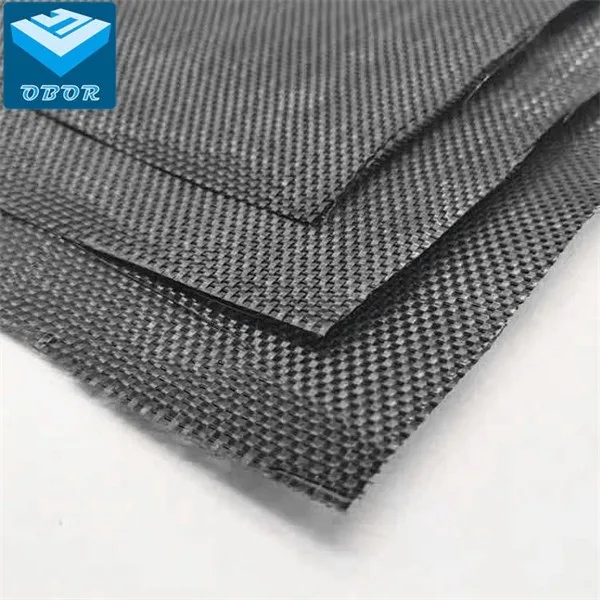
A machine-woven geotextile cloth used as silt fence and mud barrier fabric. It is woven from 100% virgin polypropylene (PP) flat yarn, supplied in black rolls, with a weight range of 100-800 g/m2, roll width from 1 m to 6 m and roll length from 50 m to 1000 m according to the order.
What It Does
- Filtration: water and gas pass freely while clay particles are held back, so it works as a filter layer on embankments, channels and concrete slopes.
- Separation: keeps soil and gravel layers apart under railways, airport surfaces and parking areas.
- Reinforcement: distributes the stress in the soil and limits lateral movement of the fill.
- Protection: reduces scour of river banks and prevents soil loss in erosion control works.
After extrusion the PP yarn keeps long-term corrosion resistance in soils and water of different pH and resists microbial degradation, and the light, flexible cloth is easy to transport and install.
Where It Is Used
Construction of roads and other traffic areas, railway construction, site leveling, foundations and retaining structures, drainage systems, erosion control works such as coastal protection and bank protection, and reservoir and dam construction.
Parameters
| Type | woven geotextile (silt fence fabric) |
| Material | 100% virgin PP (polypropylene) |
| Weight | 100-800 g/m2 |
| Roll width | 1 m - 6 m |
| Roll length | 50 m - 1000 m per roll, as required |
| Colour | black |
| Function | reinforcement, filtration, separation, protection |
| Certification | CE, ISO 9001:2008 |
| Warranty | 1 year |
| Packing | standard export packing, or as the customer requires |
Product Photos
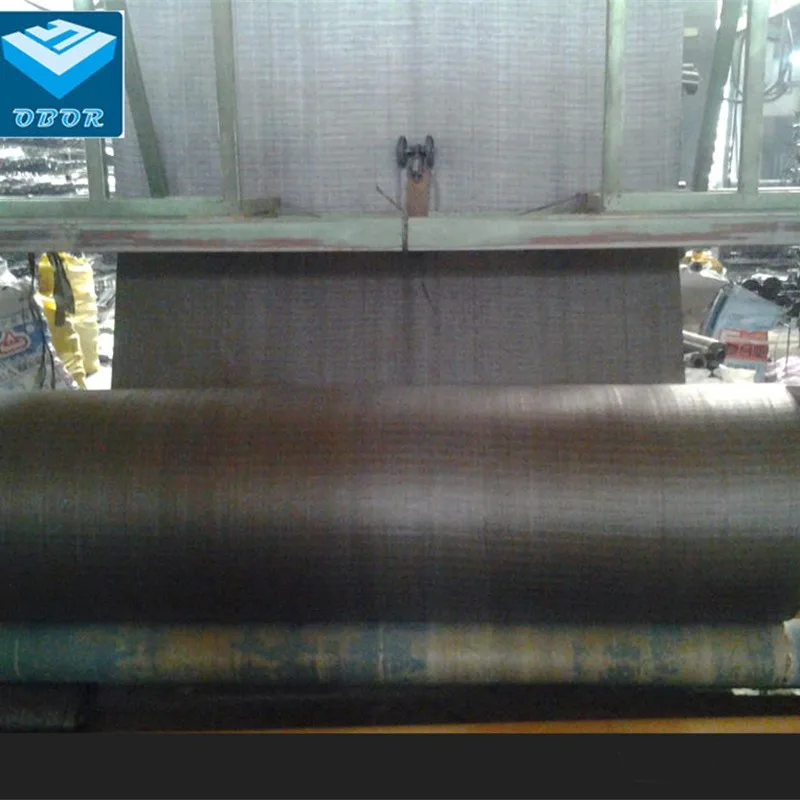
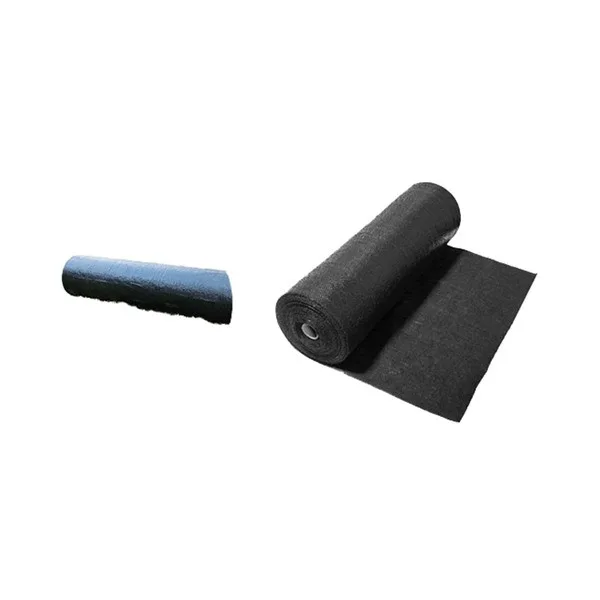
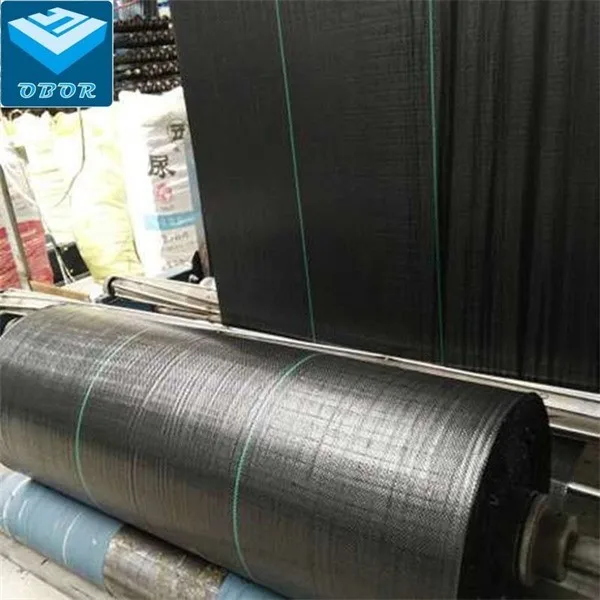
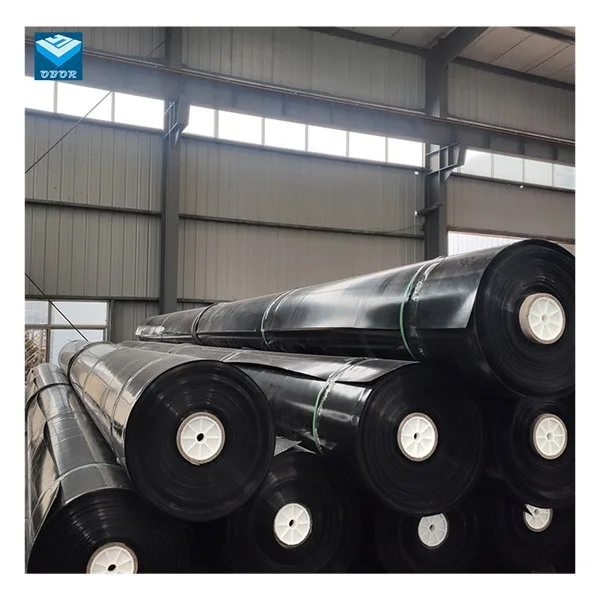
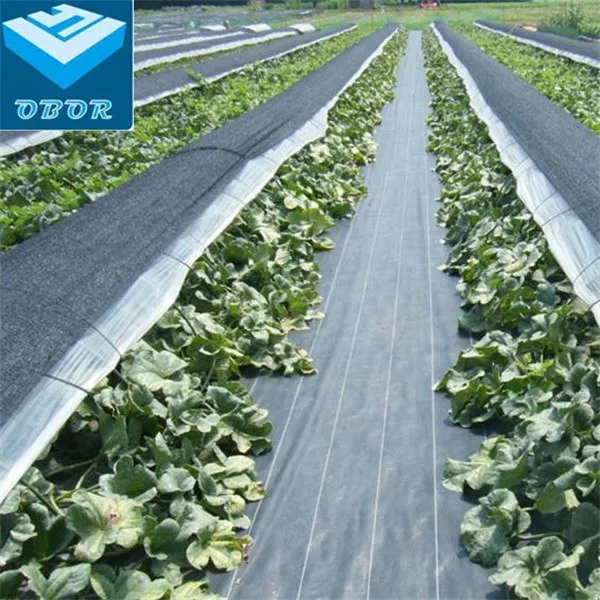
Black woven cloth laid along cultivated rows, with the fabric held at the edges so water drains through it instead of washing soil away. The rolls and the winding line are shown in the product images at the top of this page.